
Surviving A Category 5 Hurricane
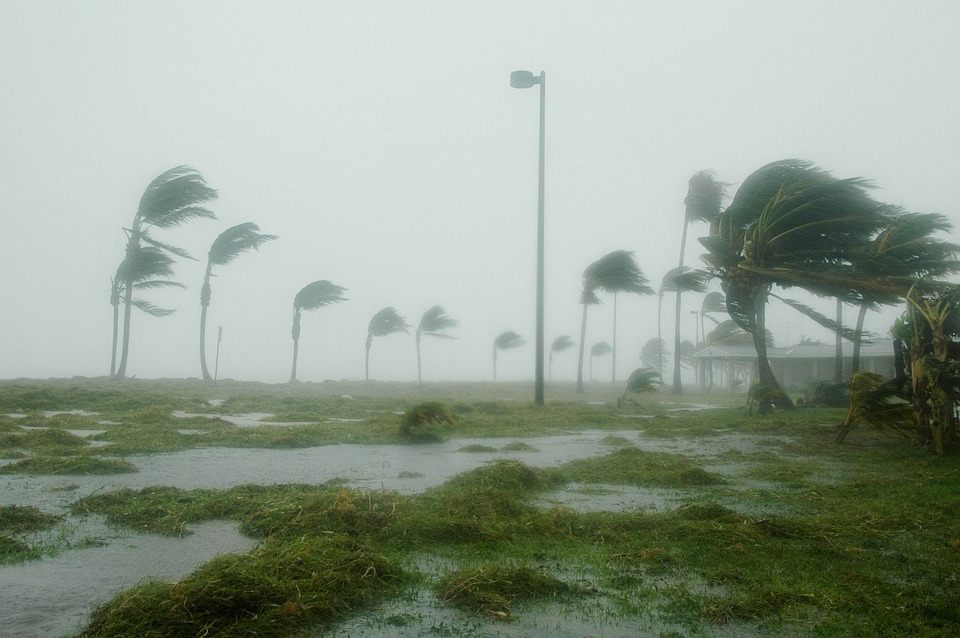
This past year Americans have endured 4 major hurricanes. Many lives were lost as well as homes and businesses destroyed. Months later the survivors are still trying to get their lives back in order. Our sympathies go out to them.
Can you imagine having to survive a category 5 hurricane on a weekly basis? Well, this happens each week to the insects and small critters in our yards when the landscapers come, mow and then blow debris on your property. Yes, I’m talking about leaf blowers! I hear one in our neighbors yard as I write this.
The average leaf blowers has the wind speed anywhere from 110mph to 200mph. Some commercial blowers are higher. This means that at the lower end of the scale the insects in your yard need to survive category 3-5 hurricane force winds each and every week! Pollinators like bees, moths, butterflies, and other insects are blown around your yard when all they want to do is pollinate and survive. Some are injured and do not survive. Thats not all, their nests and habitats are disrupted, destroying egg sacs and the like.
On another note gas powered leaf blowers are big polluters. In one California study commercial leaf blowers that ran for an hour emitted as much pollution as a car driving 1,100 miles. Thats not all. Blowers stir up dust, mold, pollen, feces and displace soil causing erosion. There are communities on the Island looking into banning certain types of commercial blowers. The noise can be unbearable.
How can we help our outdoor friends survive these weekly assaults? There are several ways to keep our yards looking neat and tidy. Let’s explore the possibilities. Mulching, You can mow over the leaves in your lawn several times chipping the leaves into small pieces and then leave them in the lawn to break down and provide fertilizer for your lawn in the spring. If your yard is anything like mine with large oak trees on the property this isn’t an option. Raking is a great workout! Too much work for most so the blower comes out. I will try to do as much raking this year as I can. We have a chipper which will chip the leaves to a tenth of the original size to minimize the amount of cans we need to put them in. My husband usually blows the leaves into piles and then chips. This year I will help him rake them into piles. After we chip, this mulch is spread on our garden beds. This is better than wood chips because the leaves have nutrients that will go back into the soil. We don’t mulch all of our chipped leaves though. Some areas of our yard get the full leaf treatment. Insects love and depend on whole leaves to nest in and survive a good winter or 2. The birds love the leaves too and you will see them turning over the leaves in the spring looking for the overwintered bugs.
We love our birds and most of us have feeders in our yards which helps them but let’s remember, birds eat bugs, they thrive on them, they feed their young bugs not seed. Like it or not we need bugs in our yard. Don’t blow them away.
Important note – When mulching your garden with leaf litter for the winter do not cover perennials that have green crowns with the leaf litter. Creeping phlox, cardinal flower, primrose and bluebells are just some of the plants that need to be exposed to the sun.
Here is a link an article published in the NY Times opinion section if you are interested in more information the dangers of leaf blowers.
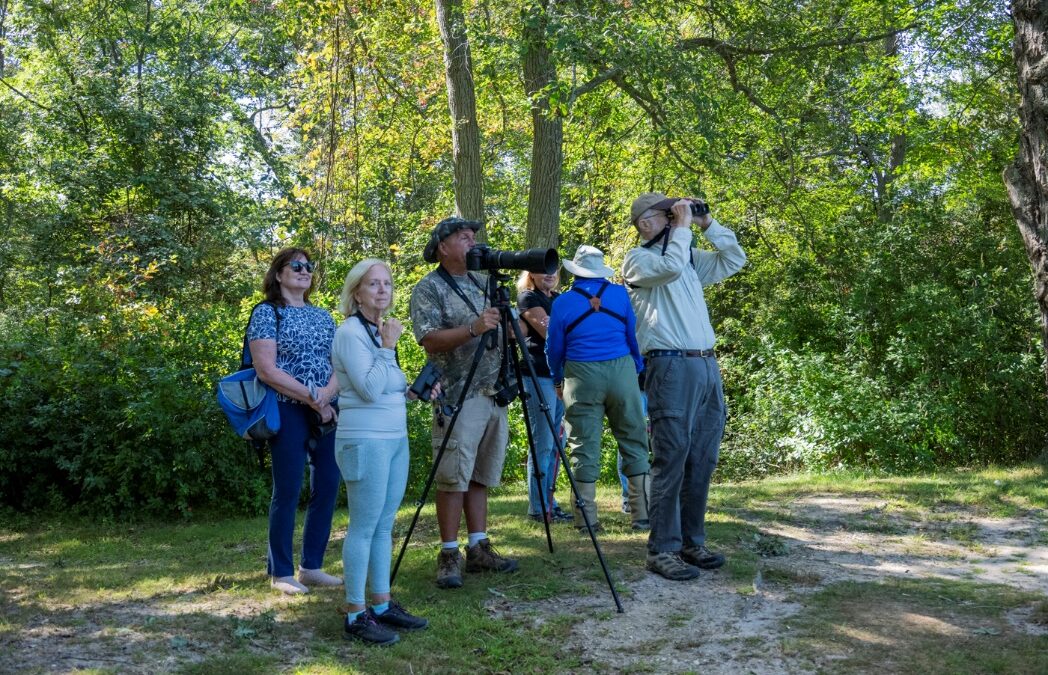
Tuesday Bird/Nature Walk at Connetquot State Park by Ken Thompson
Today, September 2, was our kickoff of the Fall 2025 season of Bird/Nature Walks. To start in style, we had a Bald Eagle fly over the parking lot as we did our morning introduction circle.
Parks and Trails on Long Island – Sept/Oct 2025
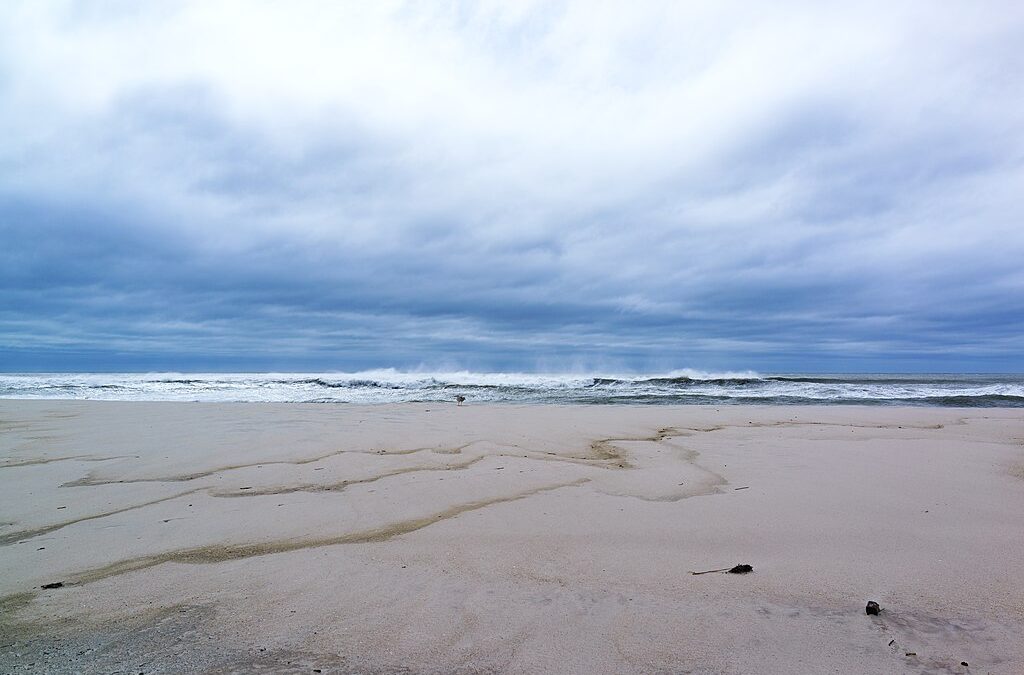
I love going to the beach because it is so beautiful and quiet beach with great views. I love walking along the water to the rocks and back-it’s a great workout. It’s fun looking for shells.
A Little Birdie Told Me… Q & A with Brook Ramirez – Sept/Oct 2025
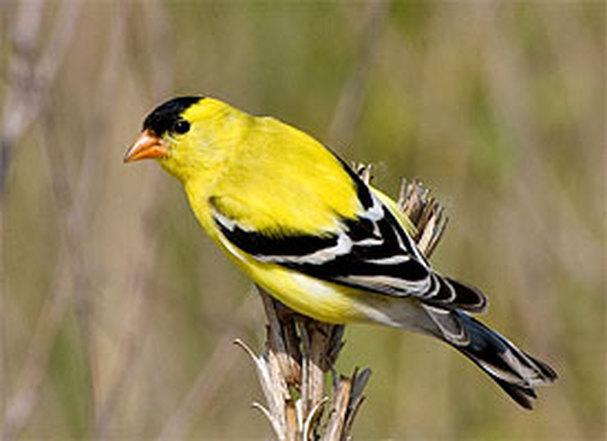
On August 13, I attended an American Goldfinch presentation, given by Brooke at her Oakdale store. Here is some useful information that was given.