
A Little Birdie Told Me… Q & A with Brook Ramirez – Sept/Oct 2025
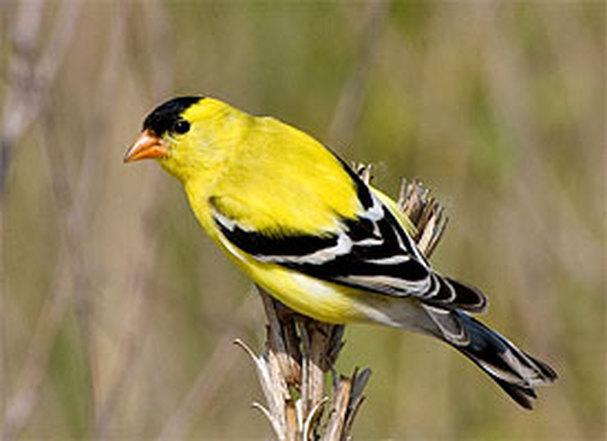
On August 13, I attended an American Goldfinch presentation, given by Brooke at her Oakdale store. Here is some useful information that was given.
Identifying and Where to Find Them
There are 3 species of Goldfinches found across North America: the American Goldfinch, the Lesser Goldfinch and Lawrence’s Goldfinch. You can spot the American Goldfinch here on Long Island. The male has a bright yellow body, black forehead cap, black wings and tail with white markings. The female is less yellow and lacks the black cap. American Goldfinches molt twice a year: they begin molting in the fall and have different winter plumage. In the winter, their bills and feet turn pink and in the summer, their bills and feet turn orange. The Lesser Goldfinch is found primarily in southwestern US and Mexico. Lawrence’s Goldfinch can be found in the far western US (California, Arizona, New Mexico and northwest Mexico).
Feeding
Goldfinches are skittish and appear very finicky at first, but will come around once you set up your feeders. The American Goldfinch like feeders with perches, but will use almost any feeder. Don’t put a tray on your feeder. They prefer to eat from the top of the feeder to the bottom. Offer a separate perching branch because goldfinches can wait their turn when other birds are at the feeder.
Food
Goldfinches are the only true vegetation of birds-they do not eat insects. Finches like native plants, such as coneflowers, sunflowers, black-eyed Susans, as well as thistle. As far as bird seed goes, goldfinches do not like stale food. You need to keep the bird seed fresh and dry.
Parenting
Goldfinches are not monogamous. Females will have 1 brood with one male and when the babies fledge, she will go and find another male to mate with. Females are dominant over the males in the summer. They build the nests (they use thistle) and feed the newborns. Baby goldfinches are dependent on parents for 3 weeks. Males feed the babies later on and feed the females while she’s nesting.
*Do you have a question you would like me to ask Brooke? Email me at: gsbas.editor@gmail.com. I will do my best to include your question, and Brooke’s response, in our upcoming newsletters!
recent posts
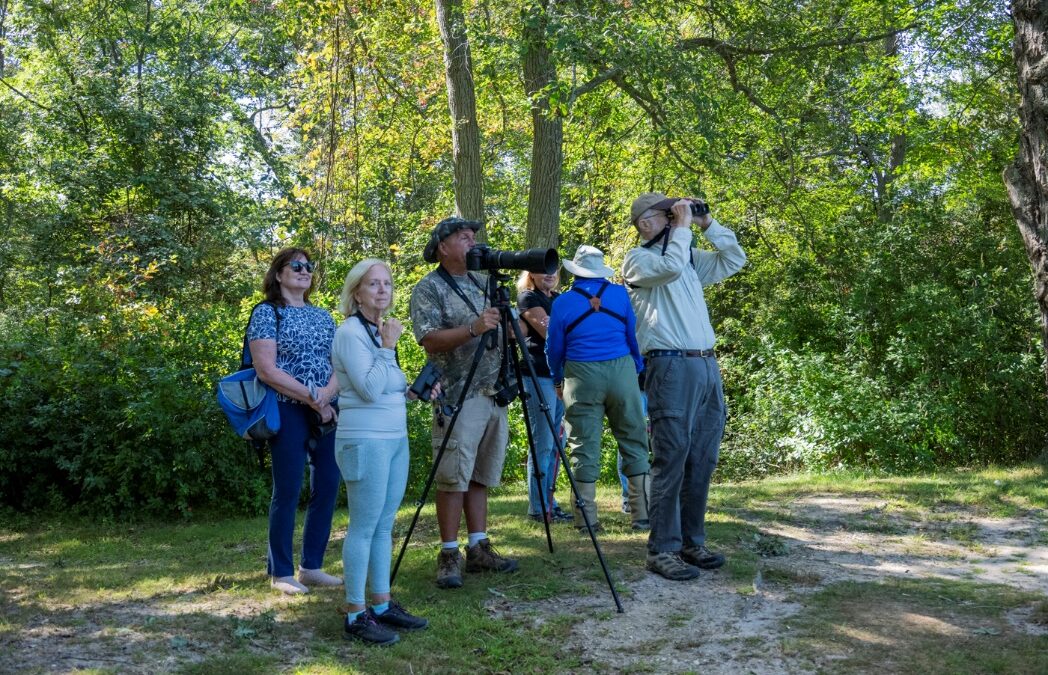
Tuesday Bird/Nature Walk at Connetquot State Park by Ken Thompson
Today, September 2, was our kickoff of the Fall 2025 season of Bird/Nature Walks. To start in style, we had a Bald Eagle fly over the parking lot as we did our morning introduction circle.
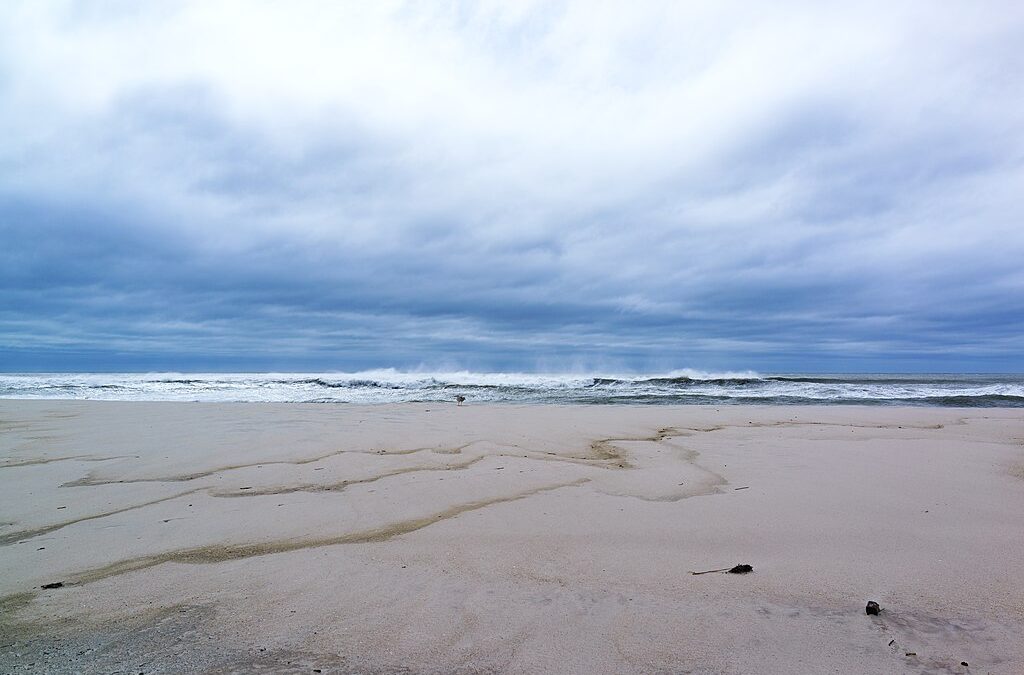
Parks and Trails on Long Island – Sept/Oct 2025
I love going to the beach because it is so beautiful and quiet beach with great views. I love walking along the water to the rocks and back-it’s a great workout. It’s fun looking for shells.
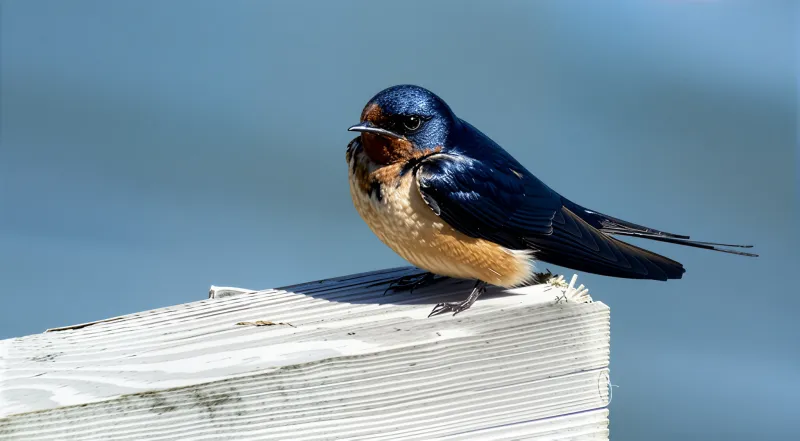
The Many Ways of Birding by Karen Andres
I used to think that to be a Birder you needed to be able to find and identify different birds. I’m learning that this isn’t necessarily true. Recently, I have become aware of several other types of birding techniques that don’t require you to identify a single bird!