
Starlight
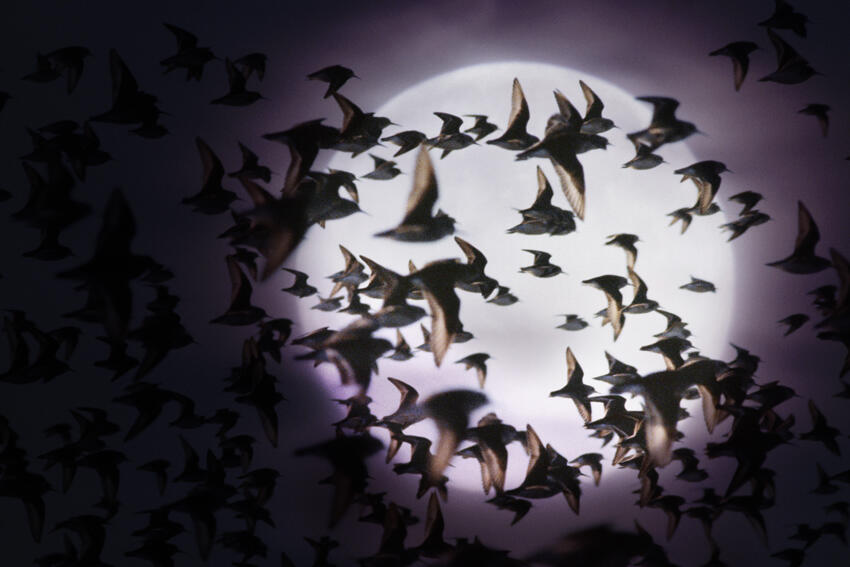
May is one of the birders most favorite times – migration season! We can’t wait to get out there to some of the more favored stop overs for migratory birds, hoping to add as many as possible to our list. For groups in our area, Central Park is a favorite. Although birds have been migrating since the beginning of time, migration is becoming more and more dangerous with thousands of birds dying as they attempt to make a trip which is often thousands of miles. The fact is that the avian mortality rate during spring and fall migration is the highest.
If you’ve ever taken a trip of any type of distance with children (or adults), you know that it is rarely made without a few stops – maybe several. Migrating birds are no different.
Their stopovers include areas that have good tree coverage where they will find rest, food and water. With more people, more lights, more weather and less migratory stopover sites, scientists documented the loss of 3 billion breeding birds in North America since 1970. About 80%, or 2.25 billion of which are migratory birds. A lot of knowledge and insight is gained through e-bird. It is a wonderful tool that is available to anyone with the aptitude to use it (sadly, not I).
Birds are the first astronomer, following the constellations on their migratory journeys. With the advent of a different set of constellations caused by billions of artificial lights, creating light pollution from below, dimming out the constellations from above, birds get drawn into cities and areas of fruitless rest.
Fortunately, in the past decade there has been a rapid rise in new research methods and a growing group of scientists is dedicated to creating safer passage of these tiny travelers. You have heard much about lights out legislation, studies on bird window strikes, and over use of pesticides. (Many of us feel that it is any use of pesticides). Although there is a lot of big research going on through Cornell Labs and other groups, with many Audubon groups joining the fight, there are things each of us can do.
I have long been a champion of large trees. Don’t cut them down. If you and each of your neighbors for a 2 mile radius would leave one large oak in their yard, it would create a wonderful cover and habitat for migratory birds, who will feast on the nutritious insects that live in such giants. Add water – bird baths, ponds. Plant native pollinator and seed offering plants – crab apple, serviceberry, cone flower, sunflowers. Give up pesticides. Support organizations like Cornell Lab of Ornithology. Educate your legislators.
There is so much that each of us can do beyond shaking our heads at the sad state of natural affairs. Aside from the benefit of being part of the salvation of our ecosystem, an added bonus is that the more you turn your space into bird friendly habitat, the less work you have to do and the more time you have to enjoy it.
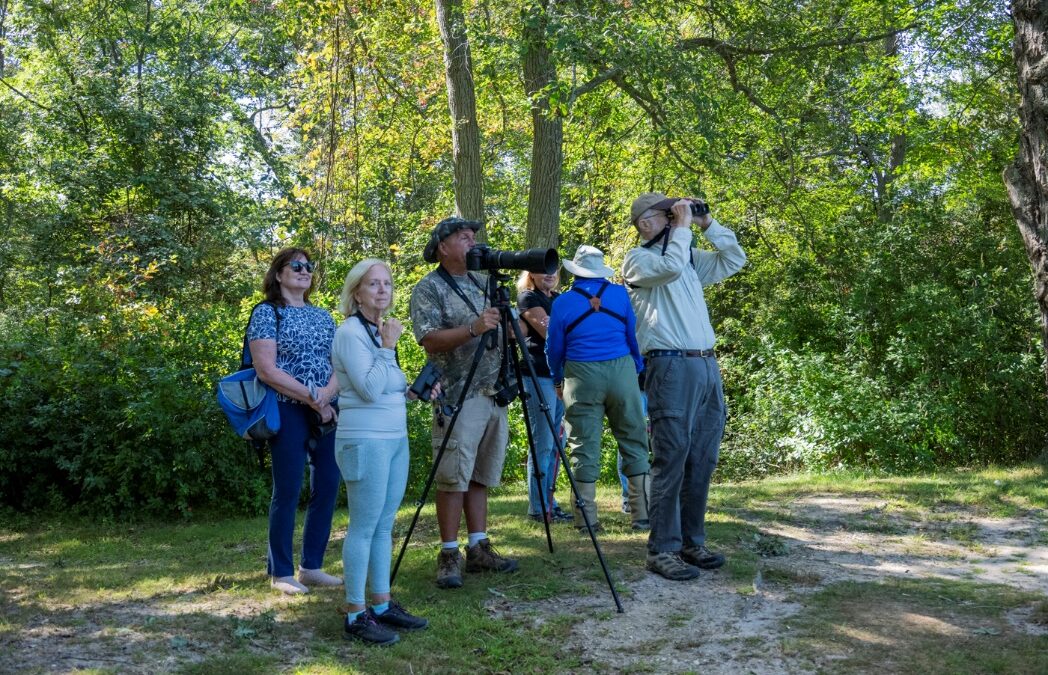
Tuesday Bird/Nature Walk at Connetquot State Park by Ken Thompson
Today, September 2, was our kickoff of the Fall 2025 season of Bird/Nature Walks. To start in style, we had a Bald Eagle fly over the parking lot as we did our morning introduction circle.
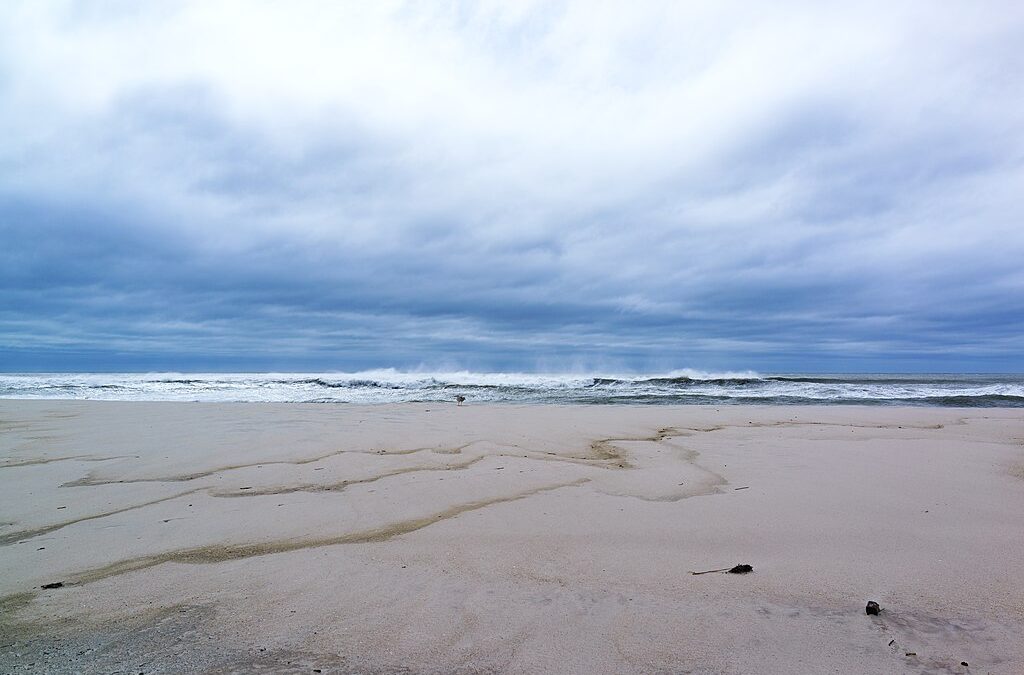
Parks and Trails on Long Island – Sept/Oct 2025
I love going to the beach because it is so beautiful and quiet beach with great views. I love walking along the water to the rocks and back-it’s a great workout. It’s fun looking for shells.
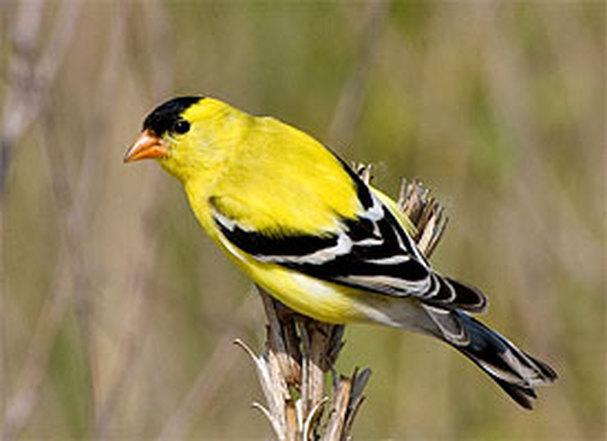
A Little Birdie Told Me… Q & A with Brook Ramirez – Sept/Oct 2025
On August 13, I attended an American Goldfinch presentation, given by Brooke at her Oakdale store. Here is some useful information that was given.