
Inner Space
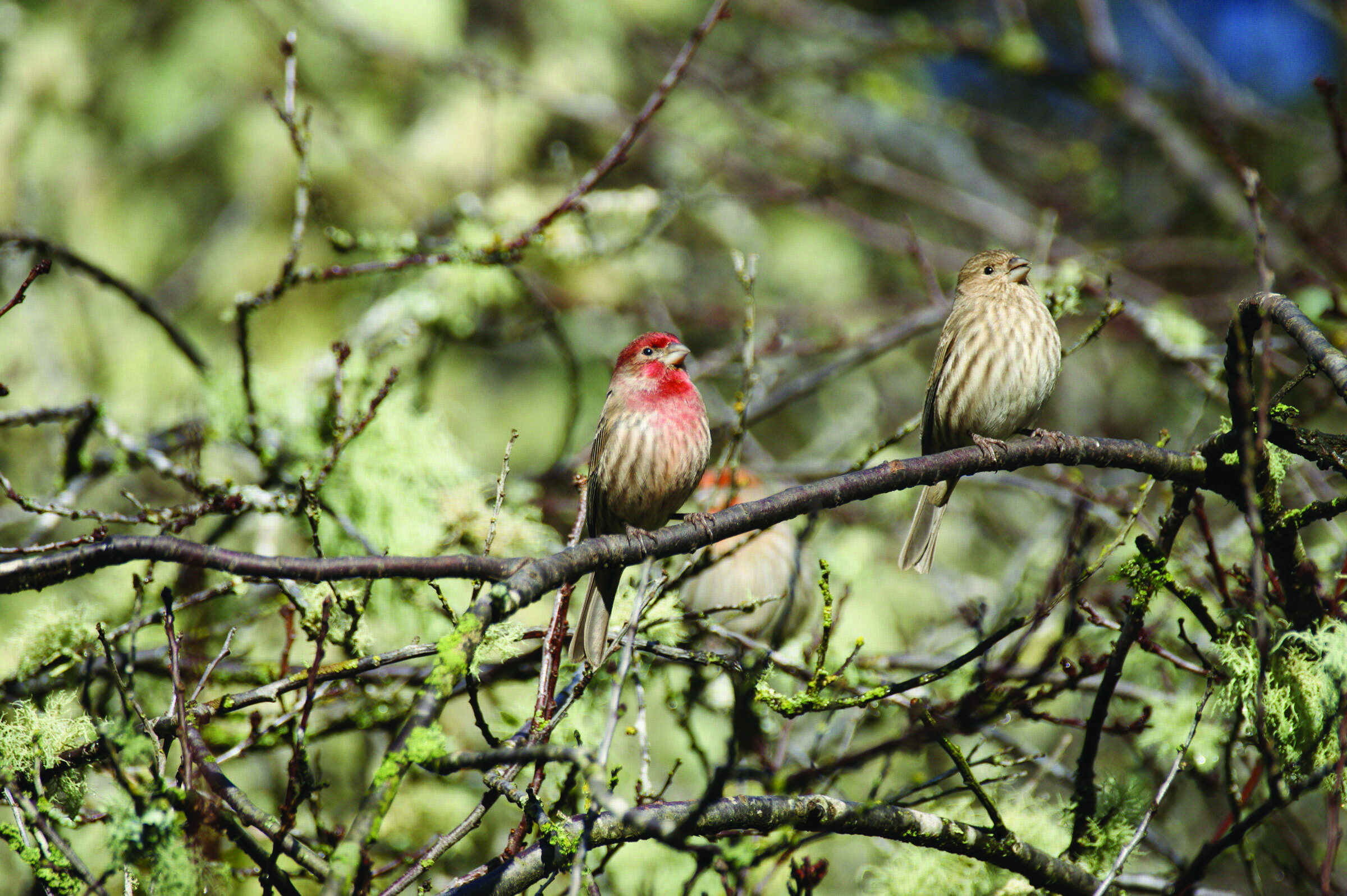
Contrary to a comment in Alice in Wonderland, “words can’t mean anything you want them to”. So it is with the word, “nature.” You also can put “wildlife” into that category. When dealing with the phenomenon of the totality of things around us, and in us, it is blissfully naive to omit the reality of “inner nature,” the invisible world of microorganisms. It is an environment that is massive, diverse, and – like it or not – dominant. It is as much a part of nature as mountains, streams, and cock robin.
If you were to count the number of cells between the top of your head and the socks on your feet, we would find that 90% of those cells are not human cells. They belong to various microorganisms that exist primarily in your gut and on your skin and many other parts of your body. There is a wilderness of microbes out there. And they may have been there from the beginning of time.
Viruses, for instance, have left no fossils. It is impossible to know how long they have been around. Some say they live at the edge of life, floating between the organic and the not. They can infect all animals, plants and even bacteria. The word “virus”comes from the Latin meaning, “slimy liquid poison.” There are millions of types that have been discovered so far, ranging from the thousands that cause the common cold to those causing the deadly Ebola.
And now the entire world is being consumed by Covid-19. The Covid-19 pandemic is of biblical proportions and will be recorded as one of history’s most cataclysmic events. Viruses only multiply within the living cells of a host, which is frequently us and we have experienced this dramatically with Covid 19. On balance, inner space is more of a challenge than outer. As the poet Robert Frost put it, “What is design govern in a thing so small.”
recent posts
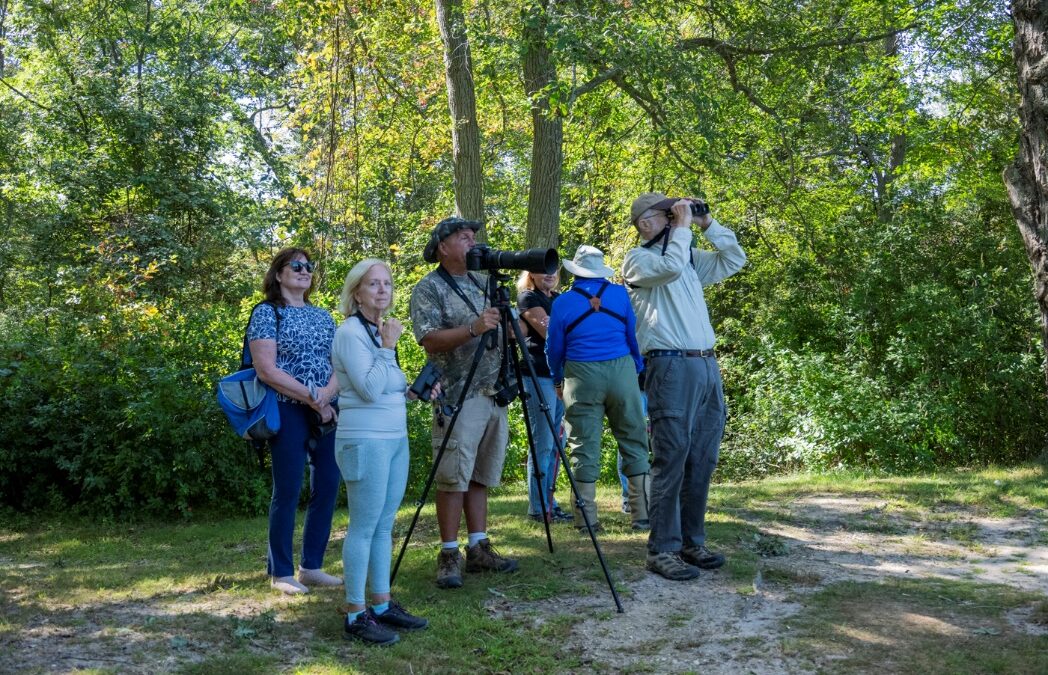
Tuesday Bird/Nature Walk at Connetquot State Park by Ken Thompson
Today, September 2, was our kickoff of the Fall 2025 season of Bird/Nature Walks. To start in style, we had a Bald Eagle fly over the parking lot as we did our morning introduction circle.
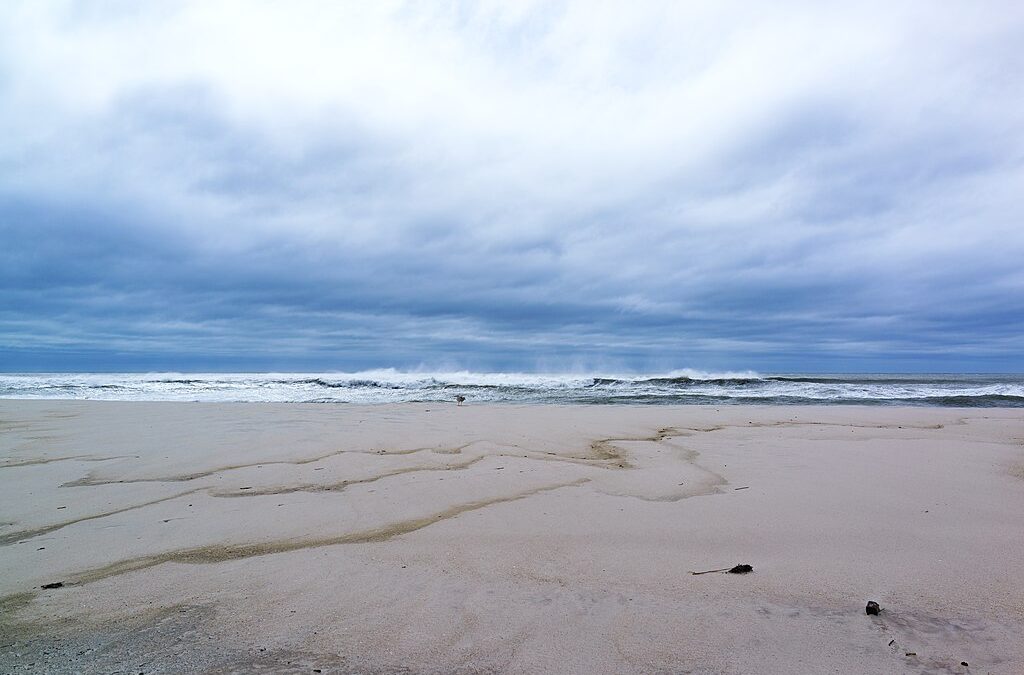
Parks and Trails on Long Island – Sept/Oct 2025
I love going to the beach because it is so beautiful and quiet beach with great views. I love walking along the water to the rocks and back-it’s a great workout. It’s fun looking for shells.
A Little Birdie Told Me… Q & A with Brook Ramirez – Sept/Oct 2025
On August 13, I attended an American Goldfinch presentation, given by Brooke at her Oakdale store. Here is some useful information that was given.