
Eating Habits
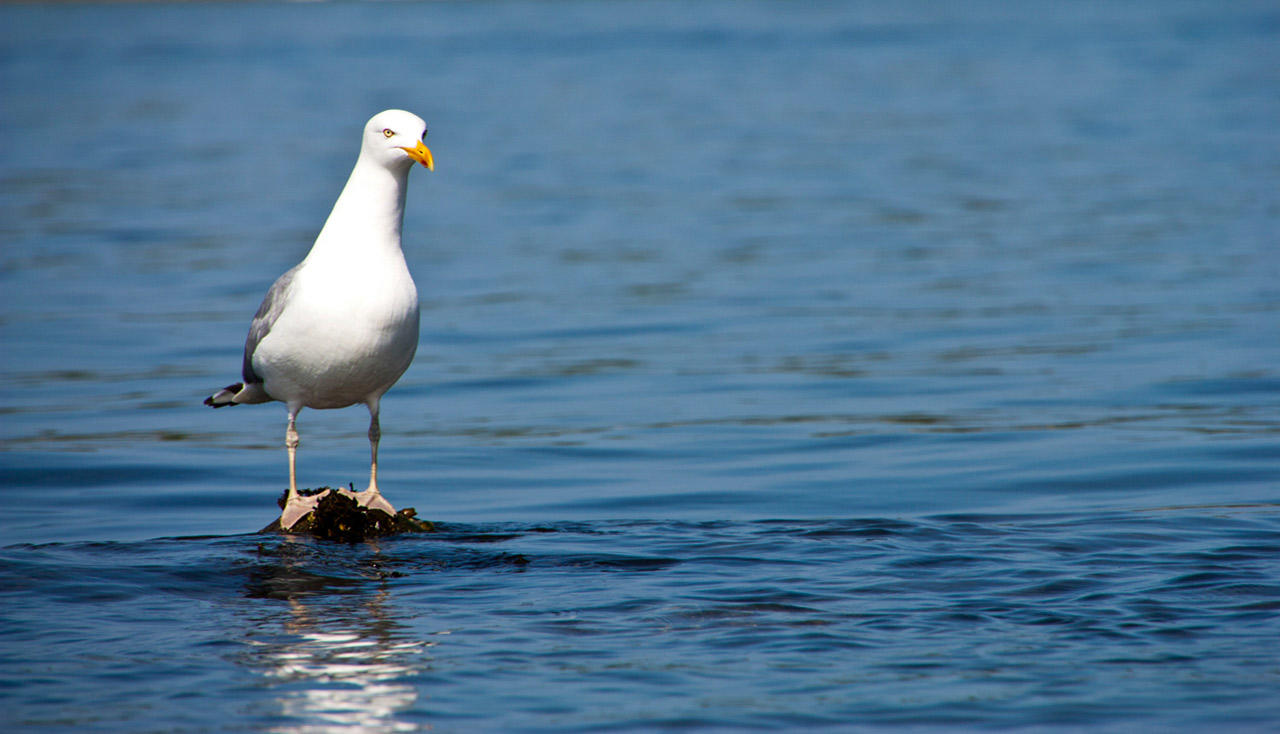
One morning at Heckscher Park, I came across a herring gull trying to pick up a dead, two inch baby flounder off the pavement. It must have found it on the sandy beach and waddled it back to the walkway. After a number of attempts, it finally managed to grab it again with its beak, but that was as far as it went. Now what? There was no possible way it was going to swallow it whole. Dropping the tiny fish on the cement, it tried to peck at it like it does when it rips open your garbage bag. No luck. The fish just kept sliding across the pavement. It was pathetic. I felt like saying, “Hey, let me help you.” That would never happen. I am probably the only person in the world who witnessed that incident. Not important to anyone except that particular gull on that particular morning.
How animals manipulate and eat their food is interesting. Other primates like us eat the way we do, but that is a facility lacking in most other animals. A hyena’s prey is killed simply by being eaten. There’s an image you don’t want to dwell on too long. Most creatures prefer their meals live, but vultures enjoy carrion. We, it would seem, have something in common with them and avoid food that is still animated. Grizzly bears are omnivorous and eat just about anything they want. They munch on berries, dig up ground squirrels and eat them whole as snacks. They hold down salmon with their huge paws as they rip out the few parts they like best.
Snakes and alligators swallow their food whole, but have difficulty manipulating it to where they want it. Boa constrictors have teeth that point backwards preventing prey being swallowed to escape. Most birds have a craw, or crop. It’s a pouch that’s part of a bird’s gullet to store food for later digestion.
Unlike other animals, we may draw harsh criticism by the way we get food into our mouths – eating like a pig, pecking at it like a bird, or wolfing it down.
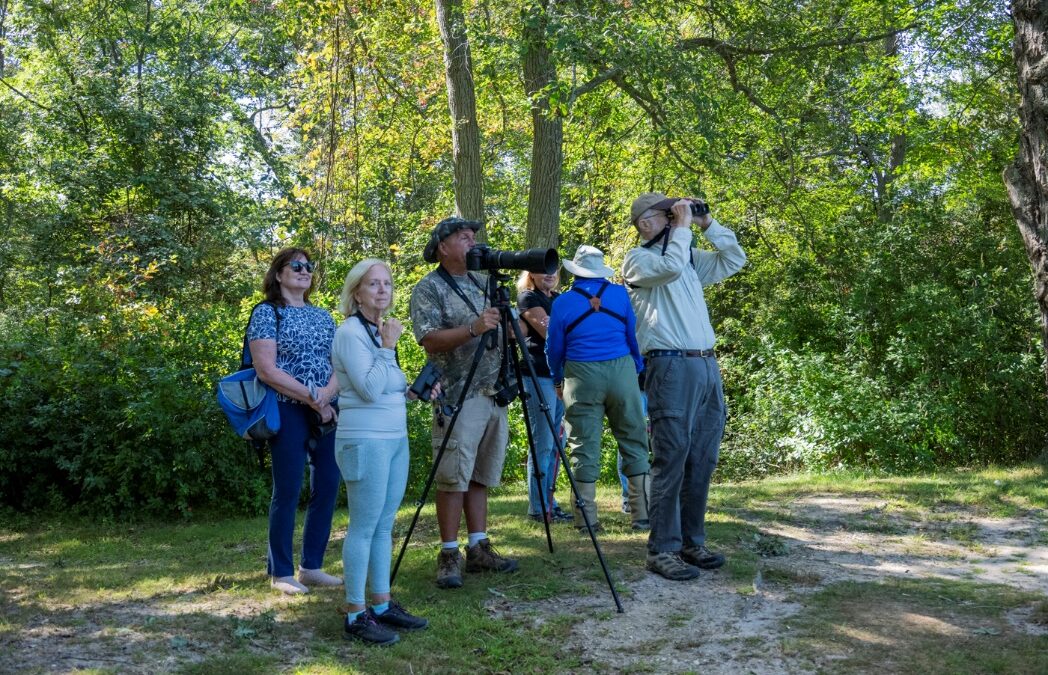
Tuesday Bird/Nature Walk at Connetquot State Park by Ken Thompson
Today, September 2, was our kickoff of the Fall 2025 season of Bird/Nature Walks. To start in style, we had a Bald Eagle fly over the parking lot as we did our morning introduction circle.
Parks and Trails on Long Island – Sept/Oct 2025
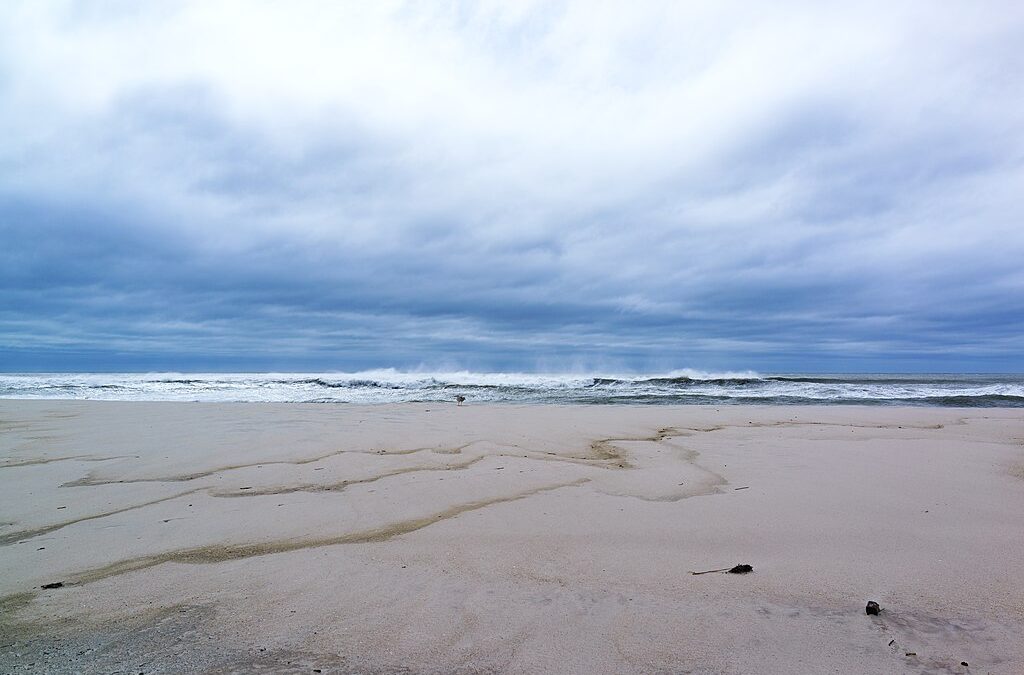
I love going to the beach because it is so beautiful and quiet beach with great views. I love walking along the water to the rocks and back-it’s a great workout. It’s fun looking for shells.
A Little Birdie Told Me… Q & A with Brook Ramirez – Sept/Oct 2025
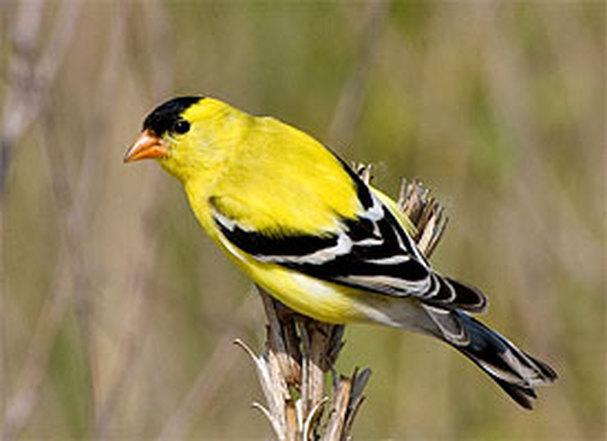
On August 13, I attended an American Goldfinch presentation, given by Brooke at her Oakdale store. Here is some useful information that was given.