
Changing Gulls in a Changing World
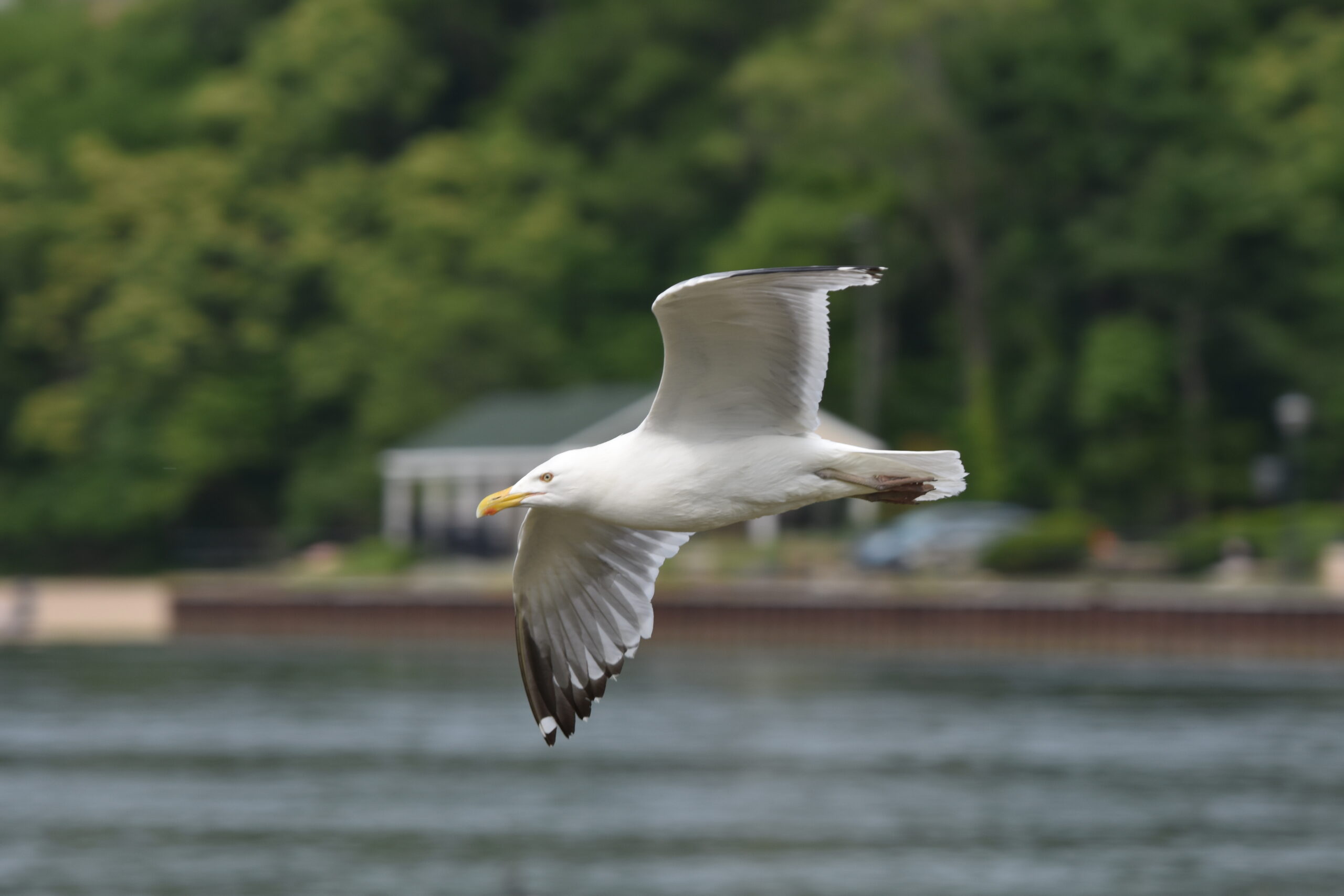
Rarely do beachgoers make it clear to the world that these dive-bombing, chip-stalking, squawking birds are nothing, but a nuisance. Despite seeing gulls flying among us every day, few people fully understand how human activity impacts the lives of these birds. Gulls have adapted to an unforgiving and rapidly changing world. While gulls may be well-adapted to an urbanized world, most people do not know the various ways we impact the health and behavior of these birds. Fortunately, developments in tracking technologies in recent years have enabled ecologists to address questions about gull feeding behaviors.
For my master’s research (2016-2018) at Stony Brook University, under the supervision of Dr. Lesley Thorne, I GPS-tagged herring gulls from three colonies along the east coast that represented different levels of urban exposure. The most urban site was in Jamaica Bay Wildlife Refuge and the medium-level site was on Young’s Island in Stony Brook harbor. The colony that represented the most remote environment was on Tuckernuck Island, a small island off of Nantucket, Massachusetts. The results from our study were shocking and herring gulls at each colony traveled up to 45 km to feed. Gulls from Jamaica Bay flew up to 20 km offshore to presumably feed off of fishing discards and to active landfills in northern New Jersey.
Do you ever find yourself visiting the same deli each week to order your usual sandwich? Well gulls have favorite eating spots too. Fascinatingly, many of the birds repeatedly travelled to the same exact feeding location day after day. The gulls breeding in Stony Brook harbor showed another surprising behavior. Even though the birds on Young’s Island are living adjacent to Long Island Sound, none of the tagged birds feed in the sound. All of the gulls from Young’s Island feed in shopping centers, parking lots, inland parks on the north and south shores of Long Island. In contrast, all the Tuckernuck Island birds spent their time feeding at offshore shoals and salt marshes around Nantucket.
While gulls are thriving in an urbanized world, it is important to understand that it might come with a cost. Are these birds suffering health consequences for feeding on likely contaminated trash in landfills or discarded fish? Further research at Stony Brook University will shed light on these trends.
References:
Fuirst, M., Veit, R. R., Hahn, M., Dheilly, N., & Thorne, L. H. (2018). Effects of urbanization on the foraging ecology and microbiota of the generalist seabird Larus argentatus. PLoS One, 13(12), e0209200.
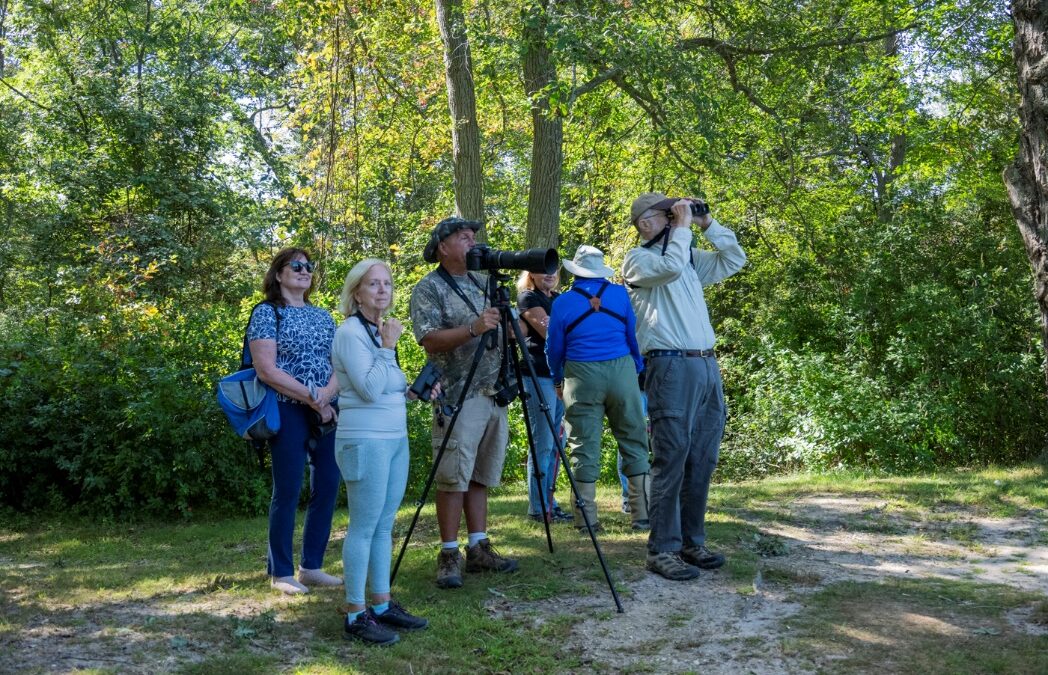
Tuesday Bird/Nature Walk at Connetquot State Park by Ken Thompson
Today, September 2, was our kickoff of the Fall 2025 season of Bird/Nature Walks. To start in style, we had a Bald Eagle fly over the parking lot as we did our morning introduction circle.
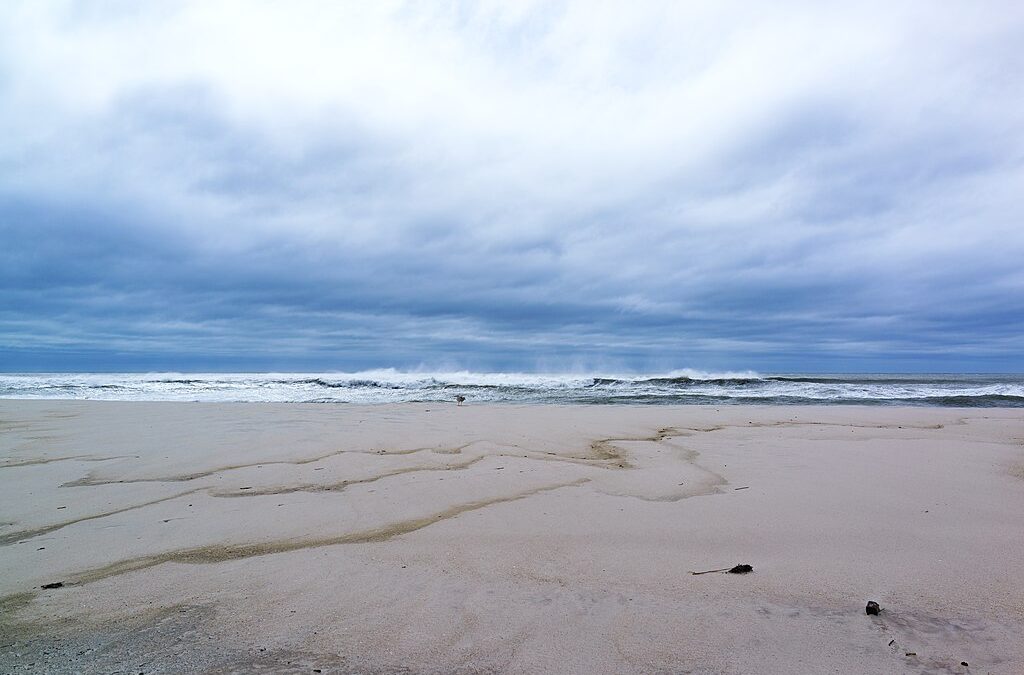
Parks and Trails on Long Island – Sept/Oct 2025
I love going to the beach because it is so beautiful and quiet beach with great views. I love walking along the water to the rocks and back-it’s a great workout. It’s fun looking for shells.
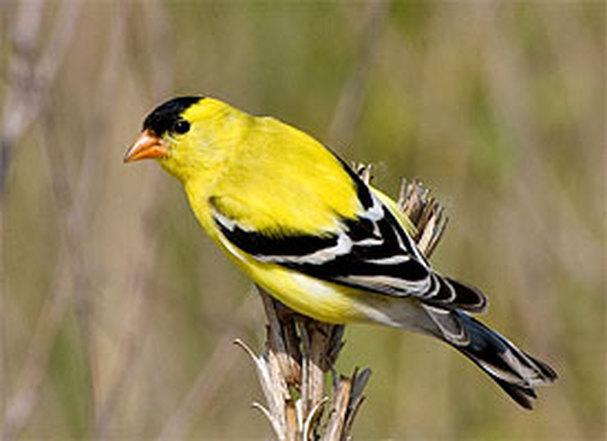
A Little Birdie Told Me… Q & A with Brook Ramirez – Sept/Oct 2025
On August 13, I attended an American Goldfinch presentation, given by Brooke at her Oakdale store. Here is some useful information that was given.