
Arguing I.D. by Steven D’Amato

In late 1972, there was an ‘explosion’ of what are now called American Goshawks, Astur atricapillus, (but was then classified as Northern Goshawk – Accipiter gentilis) to the lower New York area. There were a few on Long Island. Most were immature birds. On November 23, 1972, a couple of us saw ~5 immature goshawks at the west end of the JFK Memorial Wildlife Sanctuary at Tobay Beach. On November 26th, my friend and I went to Target Rock National Wildlife Refuge. When we entered the Formal Garden, this HUGE adult female goshawk flew off. I went to the main office and told the wildlife manager and assistant. The manager was mostly involved in paperwork, but the assistant wildlife manager, George O’Shea, was a birder and very interested in this report. A couple of more times I stopped off there, and of those sometimes I would get a brief look at the goshawk.
Surprisingly, many of the people that the assistant wildlife manager told there was a rare species at that refuge, were not just skeptical, but outright obnoxious about it.
While in college during the week of midterm exams, I’ve had enough and had to get out of the house. I went to Target Rock to look at the cormorants on Target Rock. It was misty out, so when I got there, I decided to leave the camera in the car. I’m walking down the trail to the overlook and about 75-100 ft from the overlook and ~30 ft in the woods north of the trail, was the goshawk with its wings open. We had some heavy rain for the past couple of days, so she must have been pretty saturated.
I was in my early 20’s and so I ran back to my car and grabbed my camera (1971 Miranda Sensorax) and telephoto (Vivitar 300mm f5.6 lens w/Rokunar 2X extender and T-4 connector). I rushed back to the bird, hoping she would still be there. She was. Now with all these attachments on a what would now be considered a primitive system, the best/fastest I could get was 1/30th of a second at full open aperture – f5.6. So I tried my luck. I took one photo, then a step forward, then again 3 more times. After that 4th step, with great stress, she flew. I didn’t yet have the correct protocol for how one should treat birds for photography.
It seemed like the developer took forever, but when I finally got the box of slides, I immediately went to the where the goshawk slides were. The first 2 slides and the 4th slide were out of focus, but somehow, the 3rd slide came out in focus (attached). It still shows it was a misty environment. I told George and I brought it to the Huntington Audubon Society meeting. George asked the person who was setting up his slide presentation if he would put this slide before his presentation and he did. George said to those in attendance that this is the bird at the refuge-that it was not an immature Cooper’s Hawk or Broad-winged Hawk.
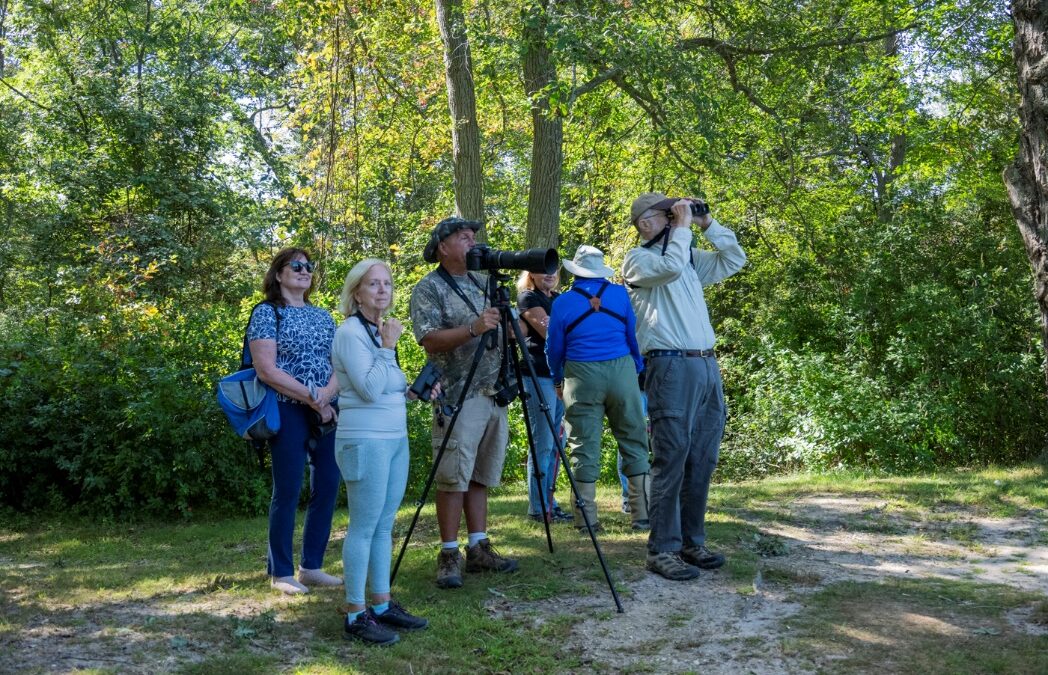
Tuesday Bird/Nature Walk at Connetquot State Park by Ken Thompson
Today, September 2, was our kickoff of the Fall 2025 season of Bird/Nature Walks. To start in style, we had a Bald Eagle fly over the parking lot as we did our morning introduction circle.
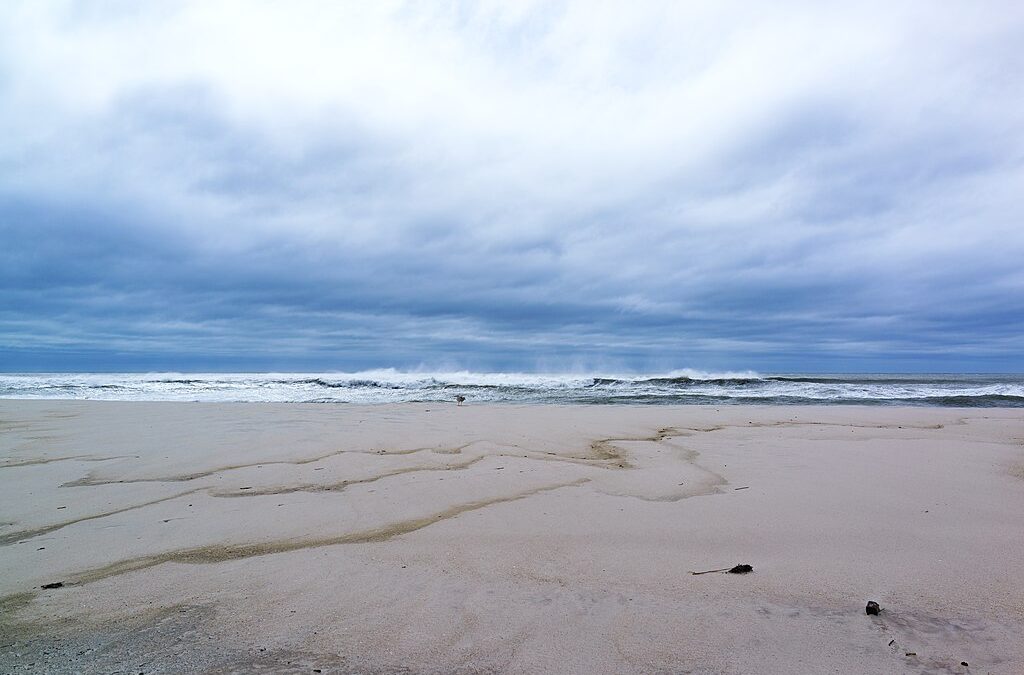
Parks and Trails on Long Island – Sept/Oct 2025
I love going to the beach because it is so beautiful and quiet beach with great views. I love walking along the water to the rocks and back-it’s a great workout. It’s fun looking for shells.
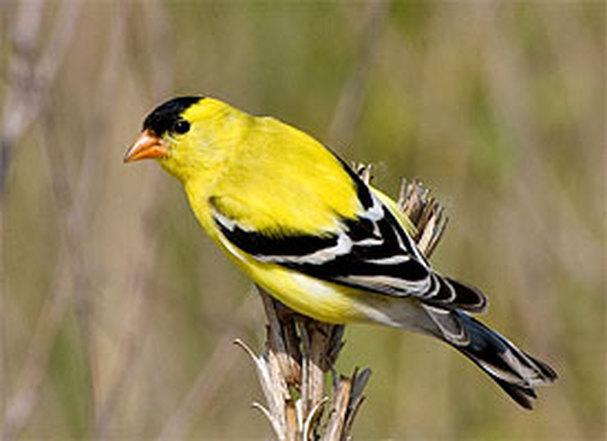
A Little Birdie Told Me… Q & A with Brook Ramirez – Sept/Oct 2025
On August 13, I attended an American Goldfinch presentation, given by Brooke at her Oakdale store. Here is some useful information that was given.